
Gridfused Logo
Back to Blog
business|Guide|February 12, 2026

VAT fundamentals: Who pays, who credits, who remits

How output tax, input tax, and liability allocation move VAT through the chain until final consumption.

Gridfused Consulting · 8 min

More in business
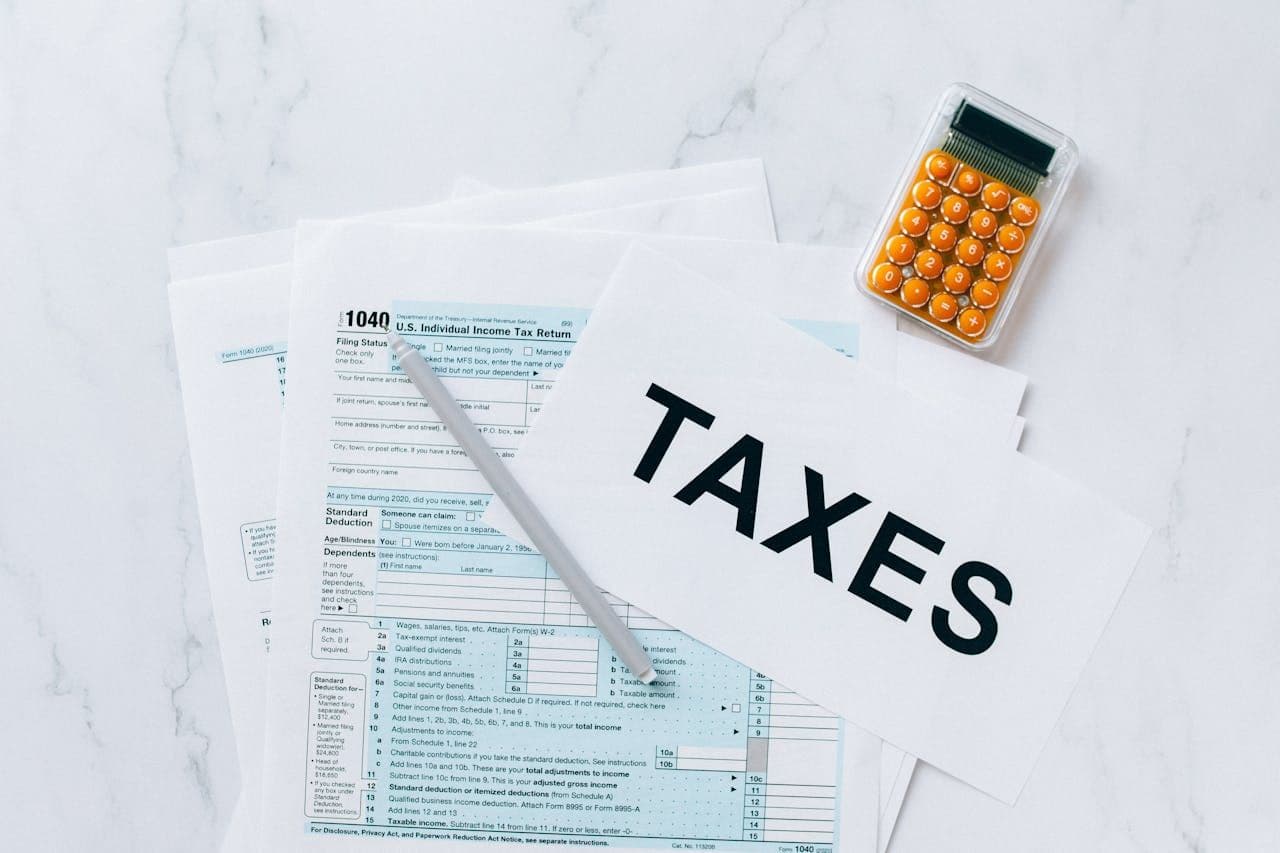
Taxes

VAT is designed to stay neutral for businesses and land on final consumption.

What is VAT

VAT is an indirect tax levied on consumption. It is charged at each stage of the supply chain of goods and services, but calculated only on the value added at each phase.

In business-to-business operations (B2B), VAT tends to be neutral when input recovery is allowed: companies charge VAT on sales and credit VAT on purchases, passing the tax along the production chain. In business-to-consumer operations (B2C), VAT effectively becomes a cost to the final buyer, because there is no right to recover the tax.

Actors: person, purchase and fiscal

In the functioning of VAT, three roles recur.

Supplier (seller): the taxable person who issues the invoice and, if the transaction is taxable, adds VAT to the price (output tax). The supplier is responsible for remitting the tax to the authority, deducting the VAT paid on its own acquisitions (input tax).

Purchaser (buyer): when it is a business registered for VAT (B2B), it is also a taxable person and accumulates VAT credits from purchases made. When it is the final consumer (an individual or non-registered entity), it has no credit right and bears the VAT cost embedded in the price.

Fiscal authority: the governmental body that administers the tax. It receives from suppliers the difference between VAT charged on sales and VAT paid on purchases, or refunds accumulated credits where applicable.

Output tax, input tax, and VAT credit

The model is organized around the offset between debits and credits.

Output tax: VAT charged by the supplier on the sale, shown on the invoice where the transaction is taxable. Input tax: VAT paid by the supplier on its acquisitions (purchases and inputs), deductible according to applicable rules. VAT credit: in B2B, the purchaser records VAT paid on purchases as a credit, offsetting VAT due on its own sales so the tax flows through the chain without becoming a cost, provided recovery is allowed.

In the periodic return, the central logic is compensation: if VAT on sales exceeds VAT on purchases, the difference is payable; if the opposite occurs, credit may be carried forward or refunded, depending on the regime.

Who pays in practice

In domestic B2B transactions, the supplier charges VAT to the customer (output) and the customer deducts that same VAT (input), making the net impact zero. The tax passes through companies without burdening them when the right to credit exists. The burden therefore settles on final consumption, because the consumer cannot recover it.

Neutrality depends on the right to deduct. When a B2B purchaser is not fully creditable, for instance because it carries out exempt activities, mechanisms such as reverse charge may produce a VAT cost, since tax becomes due without full recovery.

Who remits?

In the standard domestic model:

Domestic B2B sale: the supplier charges VAT; the buyer records credit; the authority collects from the supplier after deduction of its inputs. Domestic B2C sale: the supplier charges VAT and remits it; the final consumer bears the cost.

In cross-border B2B scenarios, responsibility may shift to the buyer.

Reverse charge transfers to the purchaser the obligation to calculate and declare VAT as if it were the supplier. The seller issues the invoice without VAT, and the buyer includes the tax in its return, deducting it simultaneously if entitled. When an invoice states “VAT due by the purchaser,” reverse charge applies.

Typical applications include cross-border B2B services within the EU, intra-Community acquisitions of goods (under analogous treatment), and imported B2B services from outside the EU, among other cases.

How it appears in accounting

In accounting, VAT is separated from net revenue.

* Taxable sales generate a VAT liability (VAT on sales, or similar). * Purchases with VAT generate a recoverable VAT asset.

During settlement, VAT on sales and VAT on purchases are offset. Under reverse charge, a debit and a credit of the same amount are recorded simultaneously, a mirror entry that neutralizes the net accounting effect while still appearing in the return. On the balance sheet, payable balances usually sit as current liabilities; accumulated credits may appear as receivables.

Synthesis

The VAT system combines two objectives: neutrality for businesses, avoiding cascading cost where deduction is available, and effective taxation of final consumption, ensuring the burden falls on those who cannot recover the tax. Companies therefore operate as intermediaries collecting on behalf of the authority, while mechanisms such as exemptions and reverse charge organize responsibility for assessment and remittance according to each scenario.

Key points

  • 01VAT is charged at every stage but only on value added.
  • 02B2B neutrality exists when input recovery is permitted.
  • 03The final consumer carries the economic burden.
  • 04Reverse charge moves calculation and declaration to the buyer.
  • 05Accounting separates VAT from revenue and expenses.

Operate finance with structural clarity

Systems thinking reduces ambiguity in taxation, accounting, and responsibility across your operation.

GC

Gridfused Consulting

Finance & Accounting Team

February 12, 2026

8 min

Filed under

Categories